
Princess Kate just said what most parents are too scared to admit

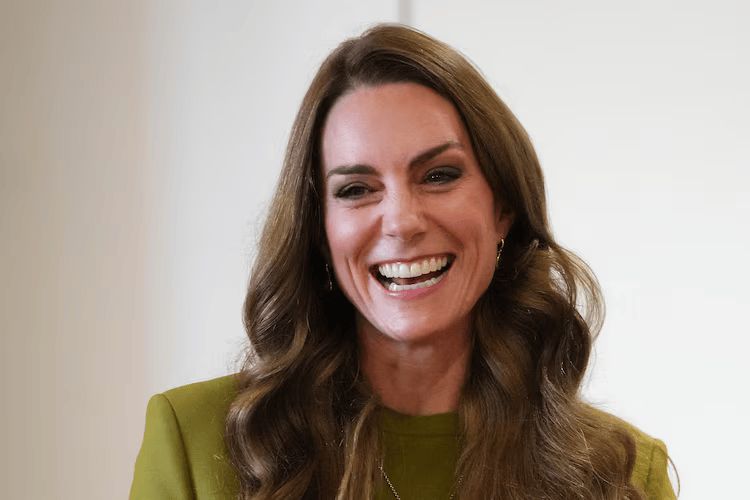
Princess Kate just said what most parents are too scared to admit.
“We’re raising a generation that may be more ‘connected’ than any in history while simultaneously being more isolated, more lonely, and less equipped to form meaningful relationships.”
In an essay titled “The Power of Human Connection in a Distracted World,” the Princess of Wales called out what she’s calling “an epidemic of disconnection.” Not among strangers. Among families sitting at the same dinner table.
She didn’t sugarcoat it. She went straight for the behavior most of us are guilty of daily:
Checking your phone during conversations. Scrolling Instagram during family dinners. Responding to emails while your child is trying to show you something they built.
“We’re not just being distracted,” Kate wrote. “We are withdrawing the basic form of love that human connection requires.”
Read that again.
When you pick up your phone mid-conversation with your child, you’re not multitasking. You’re withdrawing love.
That’s not hyperbole.
That’s what the research from Harvard University‘s Study on Adult Development shows. Warm, meaningful relationships are the foundation of a healthy life.
And we’re teaching our kids that screens matter more than their presence.
Here’s where it gets interesting…
Prince William recently revealed that their three children, Prince George (12), Princess Charlotte (10), and Prince Louis (7), don’t have smartphones. None of them.
“We’re very strict about it,” William said. Instead, the family focuses on sitting together, chatting, eating dinners as a ritual. “It’s really important,” he added.
Not convenient. Not easy. Important.
Kate’s essay wasn’t just royal commentary. It was written in partnership with Professor Robert Waldinger, a psychiatrist and director of the Harvard Study on Adult Development, through her Royal Foundation Centre for Early Childhood.
> The message is clear: if we want to raise emotionally healthy children, we need to stop outsourcing connection to devices and start modeling what real presence looks like.
This isn’t about banning technology. It’s about being honest that when you’re half-present because your phone is in your hand, your child feels it.
And over time, that absence compounds into loneliness, even in a house full of people.
Kate’s warning isn’t just for parents. It’s for anyone raising, teaching, or influencing the next generation.
When was the last time you sat through an entire meal without checking your phone once?